Poland Kraków Wieliczka Salt Mine Booking Math Favors Tuesday Noon Over Saturday Morning
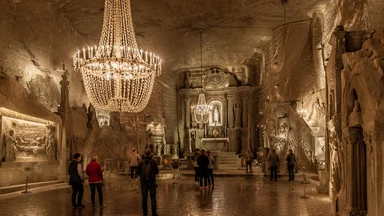
Wieliczka Salt Mine, a UNESCO World Heritage site just southeast of Kraków, sells roughly 1.5 million tickets a year. On a Saturday morning in peak season, visitors line up for 90 minutes or more before descending into the underground chapels and saline lakes. On a Tuesday at noon, that queue dissolves in under ten minutes. The difference is not a secret — guides and local operators talk about it openly — but most travellers still book weekends out of habit. This article quantifies the gap in time, money, and stress, and proposes a humane itinerary that treats Kraków as a place to live in for a few days, not a checklist to race through.
Saturday Morning Crush vs. Tuesday Noon Calm
The Wieliczka mine operates year-round, but the visitor distribution is heavily skewed. Roughly 70% of guests arrive on Fridays through Sundays, according to a 2023 survey cited by the mine's official visitor centre. Saturday at 10 AM is the worst slot: the first English-language tour of the day fills quickly, and the bottleneck at the ticket hall and elevator queue stretches past an hour and a half. By contrast, Tuesday noon sees a fraction of that volume. The same tour departs with empty seats, and the wait for a hard hat and audio guide rarely exceeds ten minutes.
The underground route is a fixed 3.5-kilometre loop that takes about two and a half hours. On a crowded Saturday, the group moves in a slow shuffle, with frequent stops as other parties merge at narrow passages. On a Tuesday, the guide can move at a natural pace, and you can linger at the Chapel of St. Kinga — the largest underground church in Europe — without being jostled. The difference in experience is not trivial: the mine is a space designed for quiet contemplation, and the weekend rush undermines that.
The mine's official online tickets are released 30 days in advance. Booking 14 days ahead almost guarantees a Tuesday noon slot; booking three days ahead often finds weekend mornings sold out. Third-party resellers then offer marked-up tickets at 20–30% above face value. For a family of four, that premium adds up to roughly 100–150 zł extra — enough for a good dinner in Kazimierz. The math favours planning ahead.
Some travellers argue that weekend visits are unavoidable due to work schedules. If that is the case, consider arriving at the mine just before closing time — the last entry is often around 5 PM in peak season. Late afternoon tours on Saturdays are noticeably quieter, though still busier than a Tuesday noon. Alternatively, the mine offers a "Miner's Route" that follows a different path and is less crowded overall, but it requires a separate ticket and is more physically demanding. For most visitors, the standard tourist route is the main draw, and its peak-hour congestion is best avoided by choosing a midweek slot.
Booking Window Math: 14 Days vs. 3 Days Ahead
The online ticketing system for Wieliczka is straightforward: choose a date, a language, and a time slot. Standard adult admission is 110 zł (as of late 2024). The mine releases tickets in batches, and the most popular slots — weekend mornings — are often gone within a week of release. A two-week-out booking for Tuesday noon is almost always available; a three-day-out attempt for Saturday 10 AM frequently returns “sold out”.
Last-minute buyers then turn to third-party platforms such as GetYourGuide or Tiqets, which bundle the mine entry with a guide and sometimes transport from Kraków. Those bundles typically cost 130–150 zł per person — a 20–30 zł markup. For a group of four, that is 80–120 zł wasted on convenience. Worse, some resellers sell vouchers that still require queuing to exchange for physical tickets, negating the time advantage.
The mine also offers a combined ticket with the nearby Krakus Mound or the Rynek Underground museum, but those combos are only worthwhile if you intend to visit both. For a focused trip, the standalone ticket is the better value. The key is to book early, midweek, and directly from the official website. That combination yields the lowest price and the shortest wait.
Another option is to visit the mine as part of a guided tour from Kraków. Several operators run half-day trips that include transport and entry. These tours often cost around 160–200 zł per person, which is higher than the standalone ticket but saves the hassle of separate transport. However, these tours typically depart in the morning, meaning you arrive at the mine during its busiest hours. If you book a Tuesday departure, the group will still be smaller than on a weekend, but you won't have the flexibility to choose the noon slot. For independent travellers, the DIY approach remains the most cost-effective and time-efficient.
Transport Surge: Kraków to Wieliczka on Peak Days
Getting from central Kraków to Wieliczka is cheap and easy — except on weekends. Bus 304, the most popular public option, runs every 15–20 minutes off-peak from the city centre. On a Saturday morning, traffic congestion and passenger volume stretch that interval to roughly 30 minutes. The journey itself, normally 25–30 minutes, can take 40–50 minutes on a weekend. The bus fare is a flat 4.60 zł, but the time penalty is real.
Ride-share services such as Uber and Bolt show a more dramatic spread. On a Tuesday at noon, a trip from Kraków Główny to the mine costs 40–60 zł. On a Saturday at 10 AM, the same route surges to 80–120 zł — double or more. The reason is simple: demand spikes on weekends, and dynamic pricing kicks in. For a solo traveller, the difference might be bearable; for a family, it adds a significant line item to the day's budget.
The train from Kraków Główny to Wieliczka Rynek station is a reliable alternative. It takes 20–25 minutes, costs 4.50 zł, and does not suffer the same surge — trains run roughly every 30 minutes regardless of day. The station is a 10-minute walk from the mine entrance. For the Tuesday noon plan, the train is ideal. On Saturday, it remains the best option, but the platform can be crowded with other mine-bound travellers. Still, it avoids the ride-share markup.
Cycling is another possibility for the fit traveller. The distance from Kraków's Old Town to Wieliczka is about 14 kilometres, mostly on flat terrain. Bike rental in Kraków costs roughly 20–30 zł per day. The route follows the Vistula river path and then country roads, taking about 45 minutes to an hour. This option avoids traffic and surge pricing entirely, but requires good weather and a willingness to pedal. On a Tuesday, the roads are quieter, making the ride more pleasant. On a Saturday, you'll share the path with weekend cyclists and pedestrians. Either way, it's a low-cost, healthy alternative.
Lodging Cost Spread: Midweek vs. Weekend in Kraków
Kraków's accommodation market follows a clear weekend premium. A hostel dorm bed in Kazimierz, the historic Jewish quarter, costs 50–70 zł on a Tuesday night. On a Saturday night, the same bed jumps to 90–120 zł — a 50–70% increase. Private rooms in the same area show a similar pattern: 200–300 zł midweek, 350–500 zł on weekends. Booking.com data from mid-2024 indicates an average weekend premium of 40% across the city's hotels and guesthouses.
The premium is driven by short-break tourists who fly in Thursday night and leave Sunday. Kraków is a popular destination for stag and hen parties, which cluster on weekends and push up demand for central lodging. If you arrive on a Tuesday, you pay less and share the city with a quieter crowd. The savings on a 3-night stay can be 300–500 zł — enough to cover the Wieliczka entry fee and a meal.
Airbnb and apartment rentals show a similar but less extreme spread. A studio near the Main Square might cost 250 zł per night midweek and 350 zł on a weekend. The key is to book a place that includes kitchen facilities, which lets you save on breakfast and some dinners. Kazimierz is a good base: it is a 15-minute walk from the Old Town, has excellent food markets, and is close to bus stops for the mine.
For those on a tight budget, consider staying in a student dormitory that rents rooms during holidays. These are available through platforms like Hostelworld and cost as little as 30–50 zł per night. They are basic but clean, and often located near the city centre. Midweek availability is high, but weekends can be booked out. Another strategy is to look for accommodation in less central districts like Podgórze, which is a 20-minute tram ride from the Old Town. Prices there are typically 20–30% lower than in the centre, and the area has its own charm, including the Schindler's Factory museum and a vibrant food scene.
The 3-Day Kraków Itinerary That Avoids the Rush
A humane 3-day trip, built around Tuesday noon, looks like this. Day 1, Tuesday: arrive in Kraków in the morning, drop bags, take the train to Wieliczka for the noon tour. Return by 3 PM, then walk the Vistula riverbank or explore Kazimierz. Dinner at a milk bar (bar mleczny) for 15–25 zł. Day 2, Wednesday: visit Wawel Castle early, before 10 AM, when the crowds are thin. The castle grounds are free; the State Rooms and Crown Treasury cost 40 zł each. Afternoon in the Old Town, with a stop at St. Mary's Basilica. Day 3, Thursday: join a morning tour to Auschwitz-Birkenau, which departs Kraków around 7 AM and returns by 3 PM. The tour costs about 85 zł for the guided option including transport. Evening: a relaxed dinner and a walk through Planty Park.
The weekend, if you stay longer, is best used for low-key activities. Planty Park, the green belt around the Old Town, is free and pleasant. The Schindler's Factory museum is open and less crowded on Sundays than Saturdays. Or take a day trip to Zakopane in the Tatra Mountains — buses run regularly, and the weekday pricing is still lower than weekends. The point is to avoid the peak-demand attractions on peak-demand days.
This itinerary does not feel rushed. Each day includes one major activity and plenty of time for wandering. It also avoids the stress of queuing. For a similar approach applied to a different destination, see the Algarve cliff trail math article on this site, which makes the same case for off-peak timing.
What about travellers who prefer a slower pace? A 5-day version of this itinerary could include a day trip to the Tatra Mountains on Friday, when the trails are less crowded than on Saturday. Or spend a day exploring the Nowa Huta district, a socialist realist planned town that offers a different perspective on Kraków's history. The district is accessible by tram and has a fascinating museum and several authentic milk bars. By spreading activities across the week, you avoid the weekend crush entirely.
Ground-Truth Costs for a Humane 7-Day Stay
A full week in Kraków, if you stay midweek-heavy, runs roughly 2,500–4,000 zł per person for a comfortable budget. That covers lodging in a private room near Kazimierz at 350–500 zł per night for 7 nights (2,450–3,500 zł), meals at 30–50 zł for lunch and 60–100 zł for dinner, and attraction tickets: Wieliczka 110 zł, Wawel 40 zł, Auschwitz 85 zł, plus a few smaller museums at 20–30 zł each.
Compare that to a peak-season weekend trip. A Saturday-to-Monday stay in the same private room costs 350–500 zł per night for two weekend nights plus a cheaper Tuesday night — total lodging around 1,000–1,300 zł. Meals and attractions are similar, but the transport surge adds 40–80 zł for ride-shares, and the weekend activity queues waste half a day. The per-day cost is higher, and the experience is worse.
The 7-day budget can be trimmed further by staying in hostels (dorms at 50–70 zł midweek) and eating at milk bars. A realistic shoestring week comes to 1,800–2,500 zł. That is roughly half of what a peak-season weekend trip costs in, say, Norway — as explored in the Norway fjord guesthouse math piece. Kraków remains one of Europe's best value cities, but the value multiplies when you align your calendar with the city's rhythm.
For those with a flexible schedule, consider extending your stay to 10 days. With that much time, you can add a visit to the medieval city of Toruń, known for its gingerbread and Gothic architecture, or head to the Białowieża Forest to see European bison. Both are accessible by train from Kraków, and midweek travel keeps costs low. The 10-day budget would be roughly 3,500–5,500 zł per person, depending on accommodation choices. That might sound like a lot, but it's comparable to a 5-day trip to Western Europe, and you get twice the time.
The Off-Season Window That Saves Most
The ultimate savings come in the off-season. November and March see roughly 50% fewer visitors than August. Tuesday noon is still the best slot, but any weekday works. In February, temperatures range from –5°C to 5°C, and the city is quiet. The Wieliczka mine maintains a constant 14°C underground, so weather is irrelevant once you descend. Above ground, you'll need a warm coat and sturdy shoes, but the lack of queues at the mine, the castle, and restaurants makes the cold worthwhile.
Some travellers argue that winter in Kraków is too bleak, with short daylight hours and grey skies. That is a fair point. The city's charm is partly its summer café culture and outdoor markets. But the trade-off is real: you can walk into the Wawel treasury without a wait, and the Wieliczka guide will give you a private tour if only a handful of people show up. For the budget-conscious traveller who values time over sunshine, the off-season is the clear winner.
Spring and autumn offer a middle ground. April and October have mild temperatures and moderate crowds. The weekend queues at Wieliczka are shorter than in summer, but still longer than midweek. Prices for lodging and transport are lower than peak summer, but not as low as winter. For travellers who are sensitive to cold but still want to avoid crowds, these shoulder months are ideal. Booking a Tuesday noon slot in early May, for example, gives you pleasant weather and a near-empty mine.
Ultimately, the decision depends on your priorities. If you can only travel on weekends, Wieliczka is still worth seeing — just budget an extra hour for the queue and 20–30 zł for a marked-up ticket. But if you have the flexibility to shift your visit to a Tuesday noon, the math is unambiguous: you save time, money, and frustration. That is a rare triple win in travel planning.