Namibia Kwando River Cell Signal Drops Before Botswana Border Permit Queues
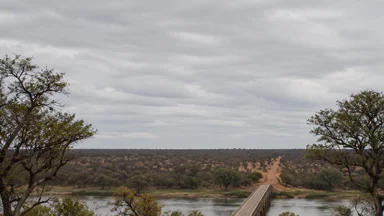
Driving east from Rundu on the B8, the tar is good and the mopane trees blur past. Then, roughly 30 to 50 kilometers before the Mohembo border post, the cell signal dies. Your phone shows no bars, and the WhatsApp messages you sent an hour ago still show a single check. This is the Kwando River dead zone—a stretch of Namibia's Caprivi Strip where the network drops and doesn't come back until you're inside Botswana, if you're lucky. For travelers crossing into Botswana, this isn't a minor inconvenience. It's the first of several practical wrinkles that catch people out, especially those who assumed the digital conveniences of Windhoek would follow them to the border.
The Kwando River cell signal drops before the Botswana border permit queues
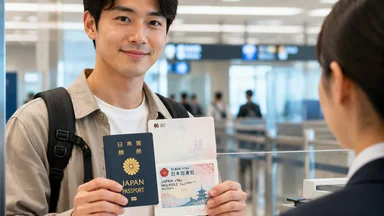
The network gap runs roughly from the Kwando River bridge to about 10 kilometers past the Mohembo turn-off. South African SIMs that roam onto Namibia's MTC network lose signal first. Local drivers know this and buy MTC vouchers in Rundu, not on the road, because once you're in the dead zone, you can't top up. Without a signal, e-visa QR codes won't load. The Botswana e-visa system requires an internet connection to display the barcode that border officials scan. If you haven't downloaded the PDF before leaving Rundu, you're stuck.
Bush mechanics near Divundu—about 60 kilometers west of the dead zone—sell prepaid data vouchers at a markup. A 1 GB voucher that costs 30 Namibian dollars in town goes for 60 or 70 at these makeshift stalls. The vouchers are legitimate MTC scratch cards, but the markup is steep. I watched a German couple pay 80 rand for a voucher they could have bought in Katima Mulilo for 35. The mechanic shrugged. 'They need it now,' he said.
Some travelers try to hotspot from a local driver's phone, but many locals use two phones—one on MTC, one on TN Mobile—and neither works in the dead zone. TN Mobile has better coverage near the Angola border, but along the B8 toward Mohembo, it's MTC or nothing. The only reliable workaround is to download all border documents in Rundu or Katima Mulilo before heading east. A printed copy of the e-visa confirmation is also accepted at Mohembo, but many travelers don't think to print until it's too late.
The dead zone also affects card payments. Fuel stations in Kongola, the last settlement before the border, have card machines that require a phone signal to process transactions. If the machine can't connect, you pay cash or you don't fill up. This is where the next wrinkle begins.
Botswana's temporary vehicle permit system punishes those who don't carry cash
Mohembo border post has no card terminal. The temporary vehicle permit fee is a fixed 65 pula for standard passenger vehicles, as per Botswana's 2023 customs tariff schedule. This fee must be paid in cash. Pula is preferred, but South African rand is accepted at par, meaning you lose about 10–15% on the exchange. No change is given, so if you hand over a 200 pula note for a 65 pula permit, you get nothing back. The officer will wave you through, but you've effectively paid 200 pula for a 65 pula permit.
Angolan drivers crossing into Botswana often barter fish for a stamped form. It's an informal arrangement that border officials tolerate because the alternative—turning away a truckload of fish—causes more paperwork. But for a tourist in a rental car, bartering is not an option. You pay cash or you don't cross.
Once you're inside Botswana, the Kaprivi Strip police check for the permit paper, not a digital copy. A photo on your phone won't satisfy them. I saw a South African family turned back to Mohembo because they'd left the paper permit in the glove box of a different car. They had to drive 15 kilometers back to the border, retrieve the paper, and return. The police officer told me, 'We need the original. The phone can be faked.'
There is a photocopy booth in Shakawe, about 30 kilometers south of the border, that charges 5 pula per page. But if you don't have the original permit, they can't copy what you don't have. The lesson: keep the paper permit in your pocket, not in the car. And carry enough pula to cover the fee plus a buffer for unexpected charges.
Namibian fuel stations accept card but the float runs out by 4 p.m.
The Engen station in Kongola is the last reliable fuel stop before the border. It has a card machine, but the cash float inside the station runs out by early afternoon. If you arrive after 3 p.m., the attendant may tell you the card machine is 'broken'—which usually means the float is gone and they can't give change for cash payments. Diesel is priced at 16.50 Namibian dollars per liter as of March 2025, according to the Namibian fuel price board, but the price fluctuates with global markets.
Drivers who know the area fill up in Katima Mulilo, about 120 kilometers east of Kongola, where fuel stations have better cash management and the card machines work reliably. But if you're coming from the west, Katima Mulilo is a detour. The direct route to Mohembo bypasses Katima Mulilo entirely, so many travelers assume they can fill up in Kongola and be fine. They're wrong about half the time.
Jerrycans are common on this route. Local drivers carry an extra 20 liters in the back, and station attendants will fill them without question. Tourists rarely do this, but it's a sensible precaution. If you run out of fuel between Kongola and Mohembo, there is no backup. The nearest alternative is a bush mechanic who sells diesel from a drum at roughly double the station price.
The fuel situation also affects air conditioning use. In the dry season, temperatures inside a car can reach 40°C. Running the AC increases fuel consumption by roughly 10–15%, which matters if you're cutting it close on a single tank. Local drivers switch off the AC on the B8 stretch to save fuel, then open the windows. It's dusty but survivable.
Water from the Kwando causes stomach issues for two to three days
The Kwando River looks brown even from a distance. Locals say it's the silt, not pollution, but that doesn't make it safe to drink. Boiling the water removes pathogens but does nothing for the sediment, which can still cause gastrointestinal distress for two to three days as your body adjusts. Visitors who drink boiled river water almost always get sick.
Locals in Mahangu village rely on borehole water, which is cleaner but still not recommended for tourists with sensitive stomachs. The boreholes are deep—roughly 60 meters—but the water is hard and can cause bloating. Tourists are better off buying bottled water from the Ngoma gate shop, about 20 kilometers west of Mohembo. A 1.5-liter bottle costs roughly 10 rand, which is reasonable, but the shop runs out of stock on busy weekends.
Rehydration salts are sold at the Kongola clinic for 10 rand a packet. The clinic is small but staffed by a nurse who sees dehydration cases regularly. She told me that most cases come from tourists who drank river water or ate at informal bars near the ferry. 'They think it's fine because the locals drink it,' she said. 'But locals have grown up with this water. Your stomach hasn't.'
Avoid ice in drinks at informal bars near the ferry crossing. The ice is often made from river water, and even if the alcohol kills some bacteria, the ice itself can carry pathogens. Stick to bottled drinks, and if you must have ice, ask if it was made from bottled or borehole water. Most bar owners will tell you the truth if you ask directly.
The SIM card you buy in Windhoek won't work 200 km north of Grootfontein
MTC's 4G network covers Namibia's major towns and the B8 corridor reasonably well, but 200 kilometers north of Grootfontein, the signal becomes patchy. By the time you reach the Caprivi Strip, data speeds drop to 3G or edge at best. TN Mobile has better coverage near the Angola border, particularly around Rundu and Katima Mulilo, but in the Kwando dead zone, neither network works.
Tourist SIM cards sold at Windhoek airport expire after 30 days. Top-ups are available at OK Foods supermarkets in larger towns, but the OK Foods in Kongola is small and sometimes runs out of scratch cards. The alternative is to buy an MTC voucher at a petrol station, but as noted, the station may not have a signal to process the top-up.
WhatsApp messages queue for hours in the Caprivi Strip. I sent a message from Kongola at 2 p.m. and it arrived in Windhoek at 6 p.m. The delay is consistent, and it's not just WhatsApp—any data-dependent service lags. Local drivers commonly use two phones: one on MTC for voice calls and SMS, and one on TN Mobile for data. TN Mobile's data network is slower but more reliable in the strip. Tourists rarely come with two phones, but those who do have a distinct advantage.
For voice calls, MTC's network is still the best bet, but only if you're near a town. Between towns, expect dropped calls. The best strategy is to send critical messages before leaving Rundu and accept that you'll be unreachable for the next few hours. It's not ideal for digital nomads, but it's the reality of this corridor.
Currency exchange spreads at the border erase any savings from self-driving
Moneychangers at Mohembo offer rates that are 10–15% below the market rate. If the official exchange rate is 1 pula = 1.3 rand, they'll offer 1 pula = 1.1 rand or worse. They know travelers need pula and have no other option. The spread effectively adds 100–150 rand to the cost of a border crossing for a family of four, erasing any savings from self-driving versus a tour bus.
Pula is the preferred currency in Botswana. Rand is accepted at most shops and border posts, but at a worse rate. ATMs in Katima Mulilo dispense rand, not pula, so if you arrive from Namibia with only rand, you'll lose money on every transaction inside Botswana. The Bank of Namibia's reference rate is roughly 1 pula = 1.3 rand, but the rate at Mohembo is closer to 1 pula = 1.15 rand.
The best strategy is to carry pula from Gaborone or exchange in Windhoek before leaving. In Windhoek, commercial banks offer rates within 2–3% of the market rate. Some Bureau de Change in Windhoek also sell pula, but call ahead—they don't always have stock. If you can't get pula in Windhoek, exchange a small amount at the border for immediate needs and plan to use a card inside Botswana, where card acceptance is better than at the border.
Some travelers try to avoid the exchange altogether by paying for everything in rand inside Botswana. This works at larger shops in Kasane and Maun, but not at smaller stalls or for permit fees. The permit fee must be in pula, and if you pay in rand, you'll get a worse rate. The difference is small for one permit but adds up over multiple crossings.
Paperwork that catches first-timers: the police clearance letter for a hired vehicle
Namibia requires a letter from the car hire company authorizing the vehicle to cross into Botswana. The letter must be on company letterhead, dated, and include the vehicle registration number. Without it, the border guard may refuse the crossing. I saw a British couple turned away because their letter was a generic email, not a formal document. They had to drive back to Windhoek to get the proper letter.
Botswana demands the vehicle's registration document. If you're driving a rental, the registration document is usually kept by the hire company. Ask for a certified copy before you leave Windhoek. Some hire companies charge a fee for this—roughly 100 to 200 rand—but it's cheaper than being turned back at the border.
Crossing into Angola requires a carnet de passage, which is a customs document for temporary vehicle import. Most rental companies do not allow their vehicles into Angola, so if you're planning a multi-country trip, check the terms carefully. The carnet can cost several hundred dollars and requires a deposit that can be thousands of dollars. It's not something you arrange on the fly.
Police at Ngoma, the Namibian side of the Mohembo border, ask for a letter even if you own the car. The letter should state that you are the owner and that the vehicle is not stolen. It's a simple document, but many first-timers don't know they need it. Make three photocopies of every document at the Engen in Rundu before heading east. The photocopier costs 2 rand per page, and it's the last reliable copy shop before the border.
The paperwork burden is real, but it's manageable if you prepare. The key is to treat the border crossing as a bureaucratic process, not a casual drive. Every document should be in a folder, with originals and copies separate. And keep the folder within arm's reach—not in the boot—because border officials will ask for it before you've even turned off the engine.