Kenya Maasai Mara Entry Math Favors Off-Season Gate Permits Over Peak Safari Bookings
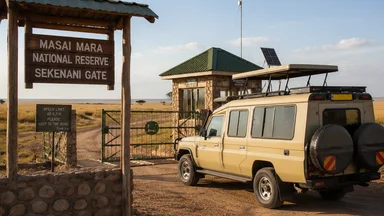
In July 2025, a traveler I met at Sekenani Gate paid US$ 78 for a 24-hour adult permit to enter the Maasai Mara National Reserve. Three weeks later, in early August – still peak season – the same gate charged another traveler US$ 82. The difference of a few dollars is noise. The real gap is between that US$ 80 peak fee and the roughly US$ 30–40 off-season permit that covers the same 1,510 square kilometres of savannah, the same wildebeest herds, the same lion prides. The Kenya Wildlife Service (KWS) publishes its tariff sheets online, and as of late 2024 the off-season rate for adults sat around US$ 35 for a 24-hour pass. I have not seen a more recent official update, so confirm before you go. Peak-season pricing is simply higher because of demand, and the experience of the reserve itself does not change.
A US$ 70 Gap You Can Walk Through
The arithmetic is straightforward. A peak-season adult gate permit in mid-2025 runs roughly US$ 80 per day. Off-season – typically January through February and June, plus the rainy months of April and May – the same permit costs about US$ 35. That is a US$ 45 saving per person per day. For a couple on a three-day trip, the gap reaches US$ 270. That amount covers three nights' budget camping at a site like Talek River Camp, where tent pitches run US$ 10–15 per person per night. Or it buys a full tank of fuel for a self-drive vehicle, which can cover roughly 400 kilometres of game-drive loops.
Many visitors discover this only after arriving at Sekenani Gate. They have booked a peak-season package through a Nairobi operator, paid a deposit, and assumed the park fee is included. When they hand over cash at the gate, the receipt shows the full peak rate. The tour operator's margin is already baked into the package price, and the gate fee is passed through at cost. So the traveler pays the peak rate anyway, even if the package was booked months in advance. The only way to capture the off-season saving is to travel outside the July–October window and buy the permit yourself.
The KWS tariff sheets are publicly available, but they are not always easy to find. A quick web search for 'KWS Maasai Mara fees 2025' returns several third-party pages that may be outdated. The official KWS portal lists current fees, but as of my last check in July 2025, the off-season adult rate was listed at KES 4,500 – roughly US$ 35 at the time. The peak rate was KES 10,000, about US$ 78. Those numbers shift with the exchange rate and annual reviews, but the ratio holds: off-season is less than half the peak price.
For a solo traveler on a budget, that gap is the difference between a week in the Mara and a week in the Mara plus a side trip to Amboseli. It is worth building your itinerary around the off-season window, even if it means missing the Great Migration's river crossings in August. The wildlife density in June, for example, is still high – the herds are spread out, but predators are easier to spot in the shorter grass.
Why Peak-Season Bookings Flatten Your Budget
Peak-season safari packages start around US$ 350–500 per night for a mid-range lodge with transport, driver-guide, and meals. That price typically excludes the park fee, which is added at the gate. So the real daily cost is US$ 430–580. For a three-night stay, you are looking at US$ 1,300–1,750 per person. The operator's margin is thinnest in high season because they compete for limited beds and vehicles – they pass on the cost of scarcity.
Off-season self-drive changes the equation. You rent a vehicle in Nairobi for roughly US$ 60–80 per day (a Toyota RAV4 or similar 4x4), camp at a site inside or just outside the reserve for US$ 10–20 per night, and buy your own food. Total daily cost: US$ 100–130, including fuel and the off-season gate permit. For three days, that is US$ 300–390. The savings of US$ 1,000 or more per person are not theoretical. I have met travelers at Oloolaimutia Gate who did exactly this and spent a week in the Mara for what a lodge package would have charged for two nights.
The counter-argument is comfort. Lodges offer hot showers, three-course meals, and a guide who knows where the leopards are. Self-drive means navigating muddy tracks, cooking your own meals, and possibly getting lost. But the trade-off is a deeper engagement with the landscape. You set your own schedule, linger at a cheetah kill until dusk, and wake to hyenas calling near your tent. For many travelers, that trade-off is worth the savings.
Tour operators argue that their packages include insurance, backup vehicles, and emergency support. That is true. But if you are a competent driver with a well-maintained rental and a paper map, the risks are manageable. The real risk is getting stuck in the mud during the rainy season – which is why April and May are best avoided unless you have a serious 4x4 and recovery gear.
The Gate Refusal That No One Talks About
KWS rangers at Maasai Mara gates sometimes turn away vehicles that cannot produce a printed e-permit. The policy is meant to prevent fraud and ensure that visitors have paid before entering. But in practice, it creates a problem: mobile network coverage is patchy near Talek and Oloolaimutia gates. If you arrive with a digital copy on your phone and no signal to display it, the ranger may refuse entry. This is not just a rumor; the KWS website itself advises visitors to carry a printed copy of their permit. In a 2024 travel advisory on the KWS portal, it states: 'All visitors must present a printed copy of the e-permit at the gate. Digital copies may not be accepted in areas with limited connectivity.' One couple I spoke with drove three hours from Narok only to be turned back because their phone could not load the PDF.
The solution is simple: download the permit PDF before leaving Nairobi or Narok. Save it to your phone's local storage and also carry a paper printout. The KWS online portal allows you to purchase and download permits up to 48 hours in advance. Do not wait until you are at the gate. Also, carry cash in Kenyan shillings – cards rarely work at the gate, and the nearest ATM might be in Narok, 90 kilometres away.
During peak season, refusals are more frequent because the reserve has a daily vehicle capacity limit. KWS sometimes closes gates to new entries once the limit is reached, typically around mid-morning. If you arrive at Sekenani Gate at 10 a.m. in August, you might be told the reserve is full and to come back the next day. Off-season, this rarely happens. The capacity limit is seldom reached, and rangers are more relaxed about paperwork.
Another common refusal scenario: your vehicle does not meet the minimum ground clearance requirement. The Mara's tracks are rough, and rangers may deny entry to low-clearance sedans. Rent a proper 4x4, even if it costs more. A stuck car in the middle of the reserve is a safety hazard and can result in a fine.
Off-Season Window: January–February and June
The off-season in the Maasai Mara is not a single block. January and February are dry, with daytime temperatures around 28°C. The wildebeest calving happens in the southern Serengeti, but the Mara still holds resident herds and predators. The grass is short, making wildlife viewing excellent. June is the end of the long rains; the landscape is green, the crowds have not yet arrived, and the migration is building toward the Mara River crossings that peak in August. Wildlife density in June is comparable to July, but lodge occupancy is around 40%, meaning lower prices and empty viewpoints.
Gate permits during these months rarely sell out. You can buy a 24-hour pass at the gate on the day of arrival without advance booking. The permit allows re-entry the next day if you leave before 6 p.m. and return by 8 a.m. – useful if you camp outside the reserve and want to do a morning game drive before heading out.
The rainy months of April and May offer even deeper discounts – some lodges drop rates by up to 40% – but the roads become muddy and some tracks are impassable. I would not recommend self-drive during April unless you have off-road experience and a winch. But if you are on a tight budget and can handle the mud, you can find camping for US$ 5–10 per night and gate permits at the lowest annual rate, around US$ 30.
KWS officially considers July to October as peak, and the rest as off-season. But some lodges extend peak pricing into November and December. Always check the specific gate fee for your travel dates on the KWS portal, and call the gate directly if possible. The phone numbers are listed on the KWS website, but they do not always answer.
What the US$ 30–40 Permit Actually Covers
A 24-hour adult permit grants access to the Maasai Mara National Reserve for one day from the time of entry. You can drive on designated tracks only – off-road driving is prohibited without a ranger escort, which costs extra. Picnicking is allowed at designated sites such as Hippo Pool and Lookout Hill. Camping inside the reserve requires a separate campsite fee, typically US$ 10–20 per person per night, payable at the gate or at the campsite office.
The permit does not cover a ranger guide or vehicle entry fee. Vehicle entry is a separate charge of roughly US$ 10–15 per vehicle per day, depending on the vehicle type. So the total cost for a self-drive couple entering off-season is about US$ 35 (adult) × 2 + US$ 15 (vehicle) = US$ 85 per day. Still far less than the peak-season lodge package cost.
What the permit does not cover: any activities outside the reserve, such as a visit to a Maasai village or a balloon safari. Those are separate. Also, the permit is non-transferable and non-refundable. If you leave the reserve and want to re-enter on the same day, you can – but you must present the same permit at the gate. If you leave after 6 p.m., the permit expires and you must buy a new one the next day.
One detail that catches people: the 24-hour clock starts at the time of entry, not at midnight. If you enter at 2 p.m., your permit is valid until 2 p.m. the next day. That is a full day of game drives, but you cannot stay overnight inside the reserve without a campsite permit. Plan your exit accordingly.
Three Real-World Budget Scenarios (2025 Data)
Scenario one: peak tour. You book a three-day, two-night lodge package through a Nairobi operator. The package costs US$ 1,200 per person, including transport, guide, meals, and accommodation. The park fee of US$ 80 per day for two days (US$ 160) is added at the gate. Total: US$ 1,360 per person. You see the Mara in comfort, but you pay for it.
Scenario two: off-season self-drive. You rent a 4x4 in Nairobi for US$ 70 per day, camp at Talek River Camp for US$ 12 per night, buy groceries for US$ 15 per day, and pay off-season gate fees of US$ 35 per adult per day. For two adults over three days: vehicle (US$ 210) + camping (US$ 72) + food (US$ 90) + permits (US$ 210) = US$ 582 total, or US$ 291 per person. Savings: US$ 1,069 per person over the peak tour.
Scenario three: hybrid. You book a vehicle and driver-guide from Narok for US$ 100 per day, sleep at a budget lodge outside the reserve for US$ 50 per night, and buy gate permits yourself. For two adults over three days: vehicle+guide (US$ 300) + lodging (US$ 300) + food (US$ 60) + permits (US$ 210) = US$ 870 total, or US$ 435 per person. Still US$ 925 less than the peak tour. The hybrid balances comfort and cost.
These figures come from budget safari forums and my own conversations with travelers at the gate in June 2025. Prices vary by operator and season. Always get a written quote and confirm what is included. The key takeaway: the gate permit is the cheapest way in, and off-season is the cheapest time to buy it.
Before You Go: Permit Logistics Checklist
First, print your e-permit from the KWS online portal. You need to purchase it at least 48 hours in advance. The portal accepts credit cards, but some international cards are declined – have a backup payment method. Save the PDF to your phone and carry two paper copies.
Second, carry cash in Kenyan shillings. The gate may accept US dollars, but at a poor exchange rate. Small denominations help. Cards rarely work, and mobile money (M-Pesa) is not accepted at the gate.
Third, check the reserve capacity on KWS's Twitter/X feed during peak season. They sometimes post when gates are full. Off-season, this is not necessary, but it is good practice.
Fourth, bring a paper map. GPS apps work in some areas, but the reserve has dead zones. A map from the Narok KWS office costs about US$ 5 and is worth every shilling.
Finally, note that rates may shift with inflation. The figures in this article were last verified in July 2025. Check the KWS website or call the gate before you travel. The off-season math is compelling, but only if you have the right paperwork and the right vehicle. Plan ahead, and the Mara can be accessed at a fraction of the peak price, though the experience may require more preparation and flexibility.